Try a different design language in a room you already know.
Use your own room photo to work through colors, furniture and layout. Turn a loose idea into a visual direction you can discuss before buying.
Open another RoomTale tool and go straight to its workspace. Start with the change you want to make next.
Try a different design language in a room you already know.
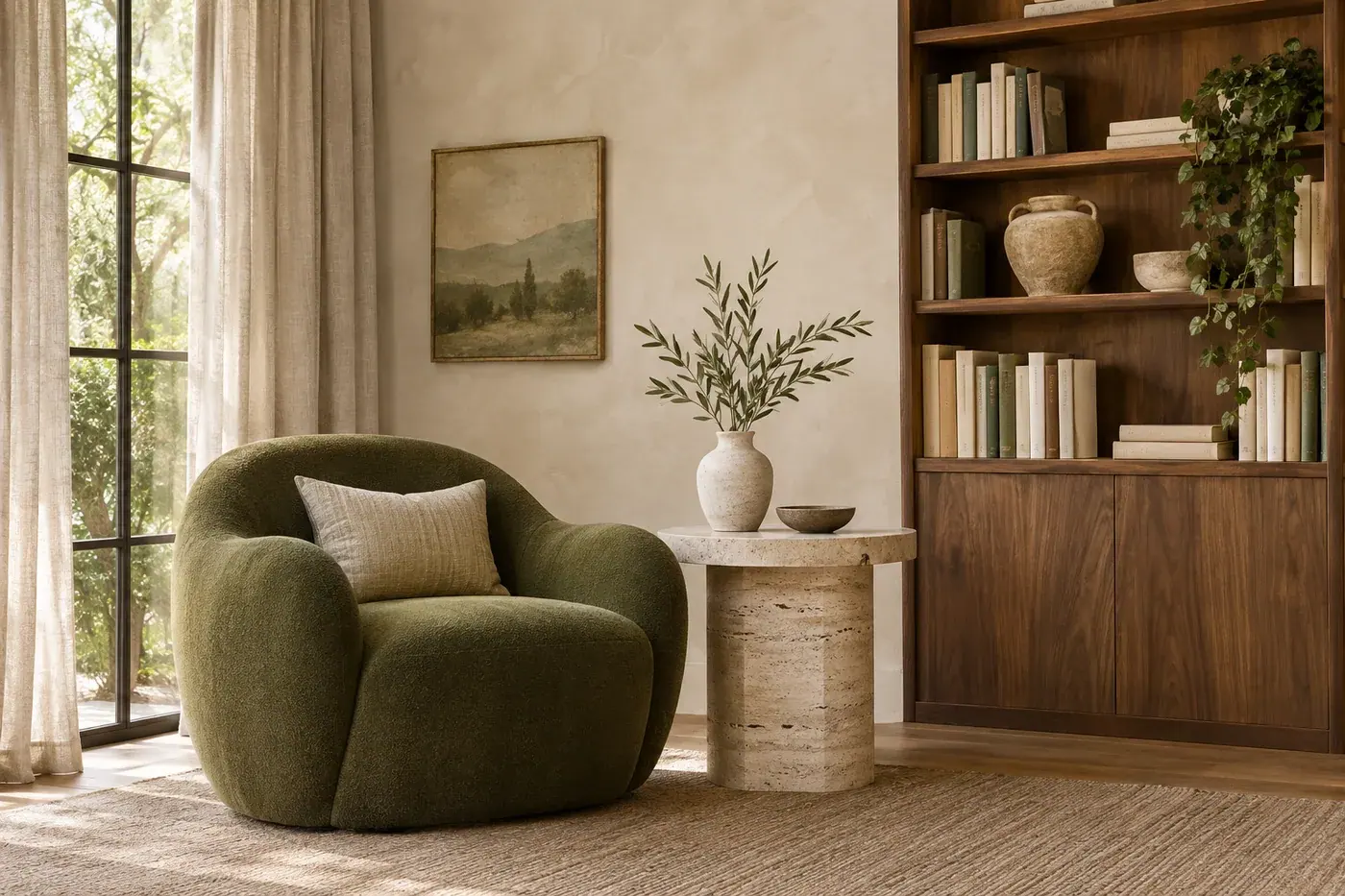
Bring rugs, curtains and accent pieces into one visual scheme.
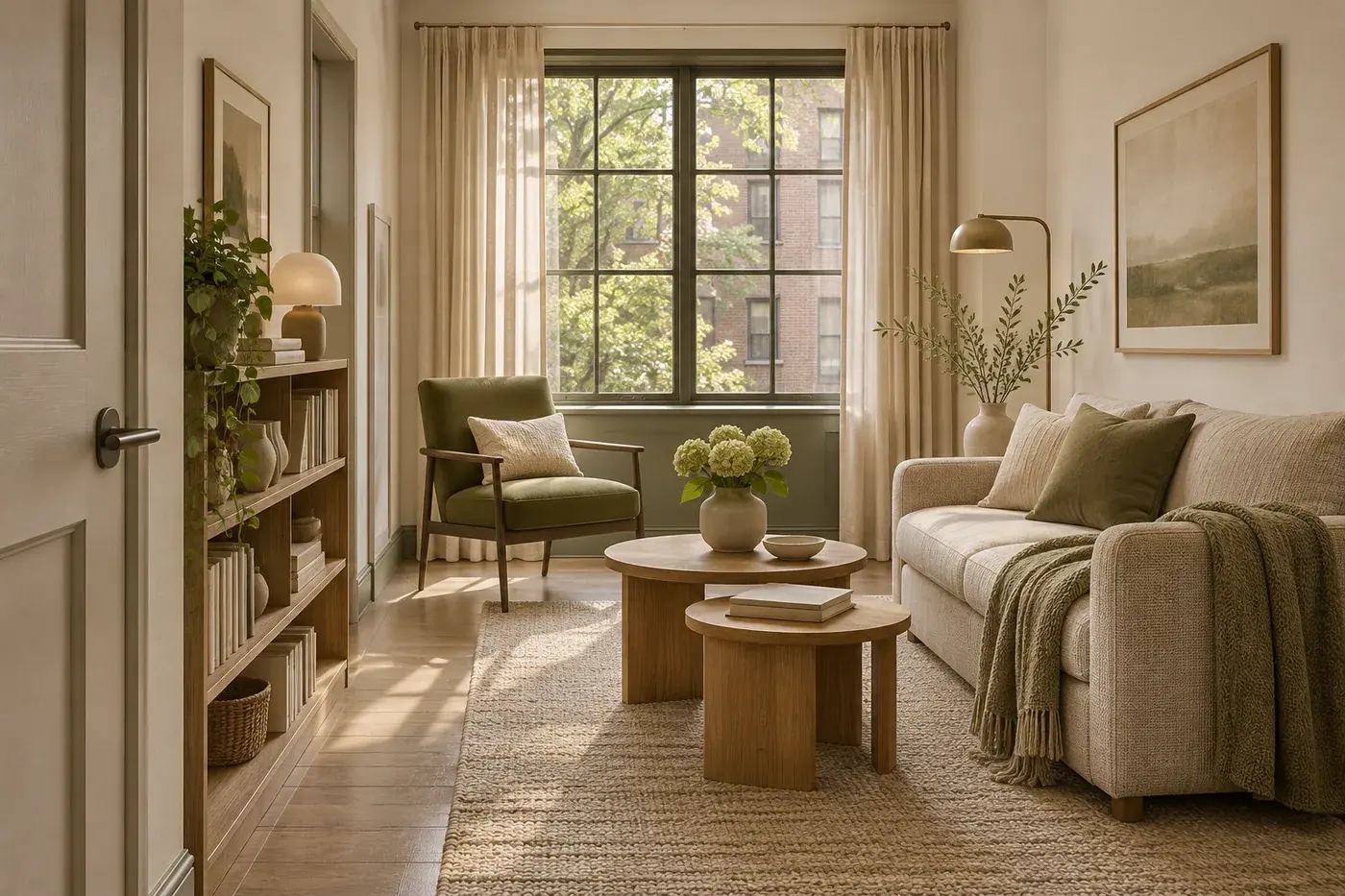
Explore how seating and storage could share the room.
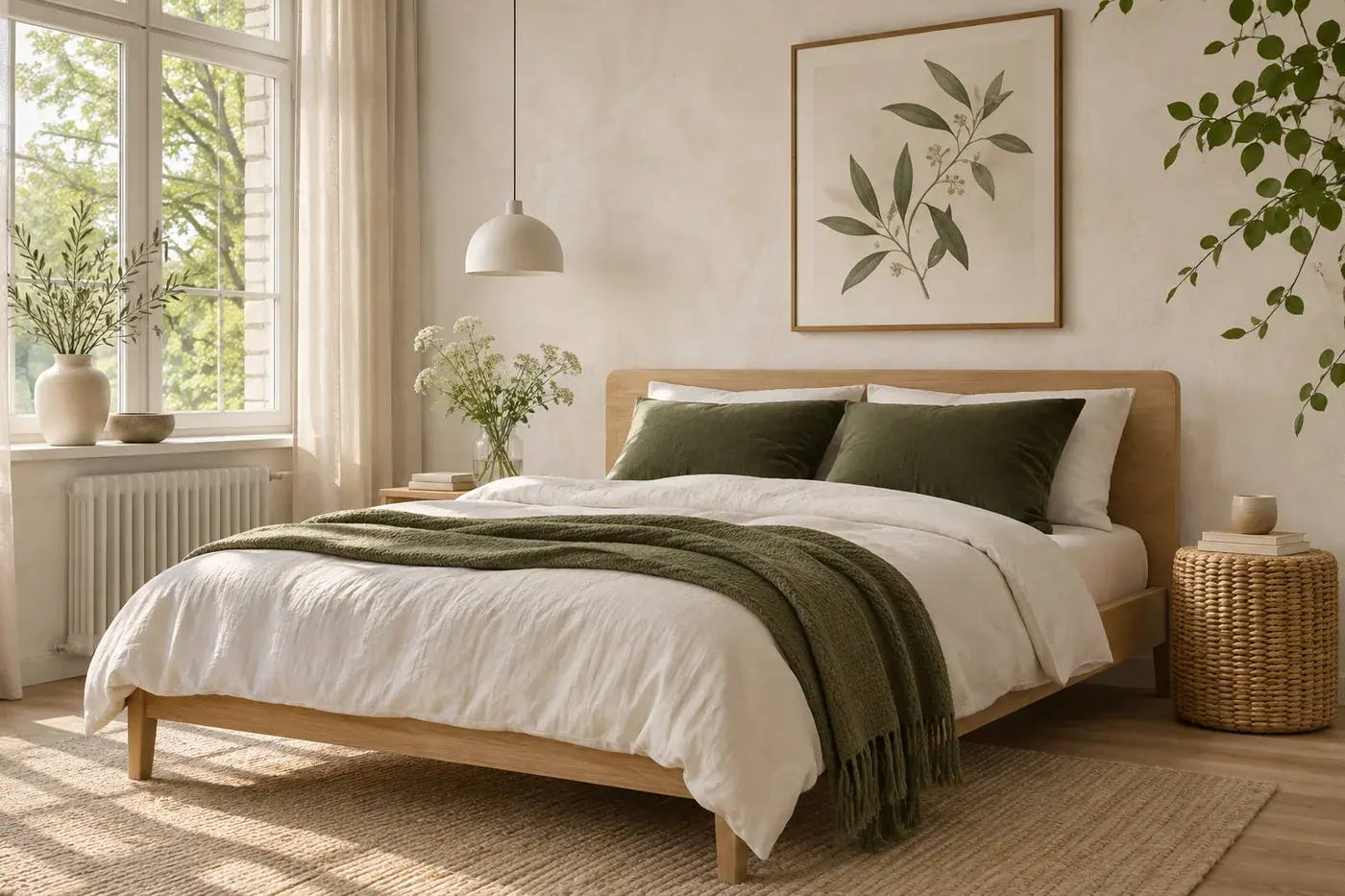
See a wall color beside the floor and furniture you already have.
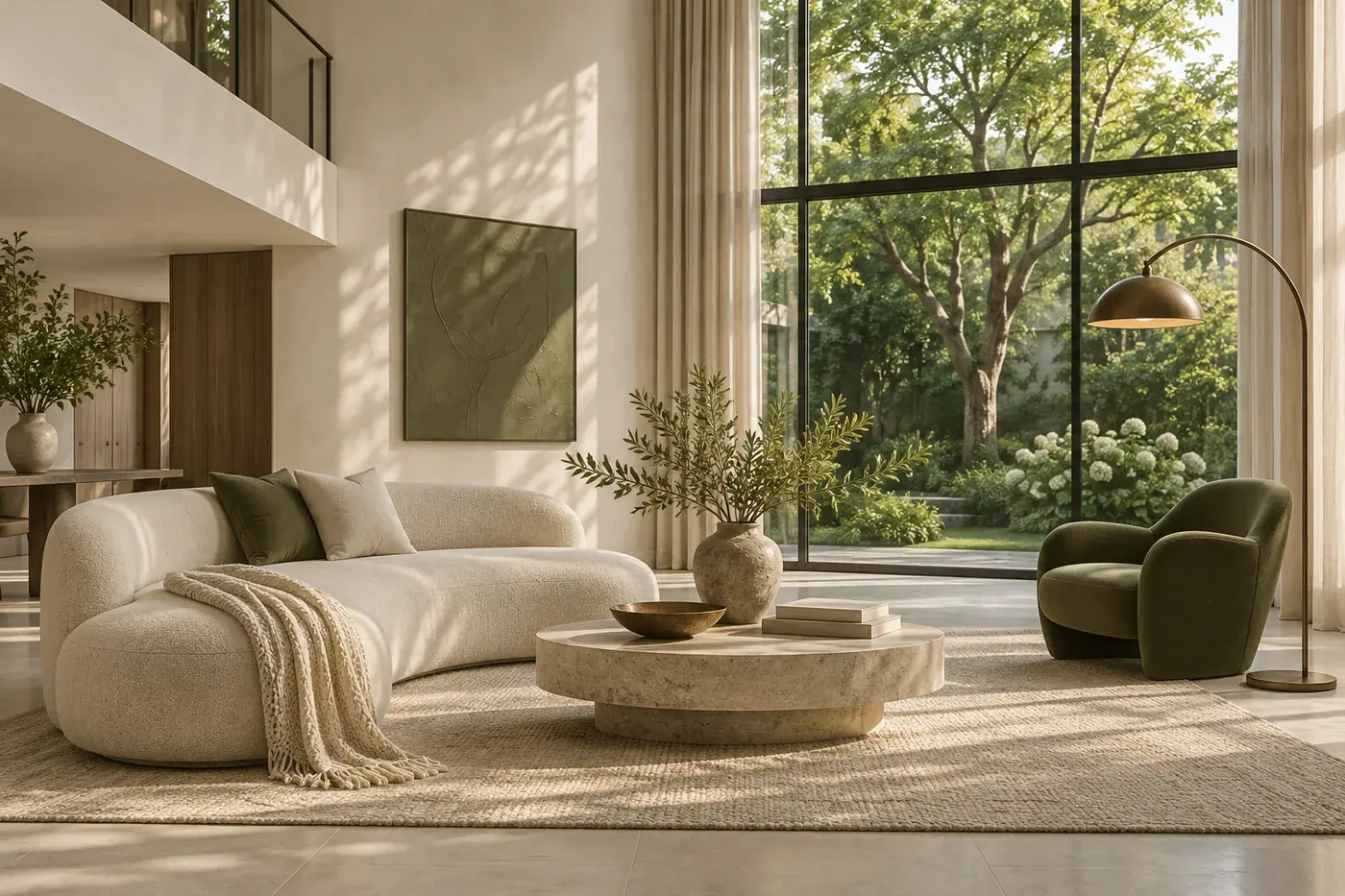
Help an empty room tell a more complete story.
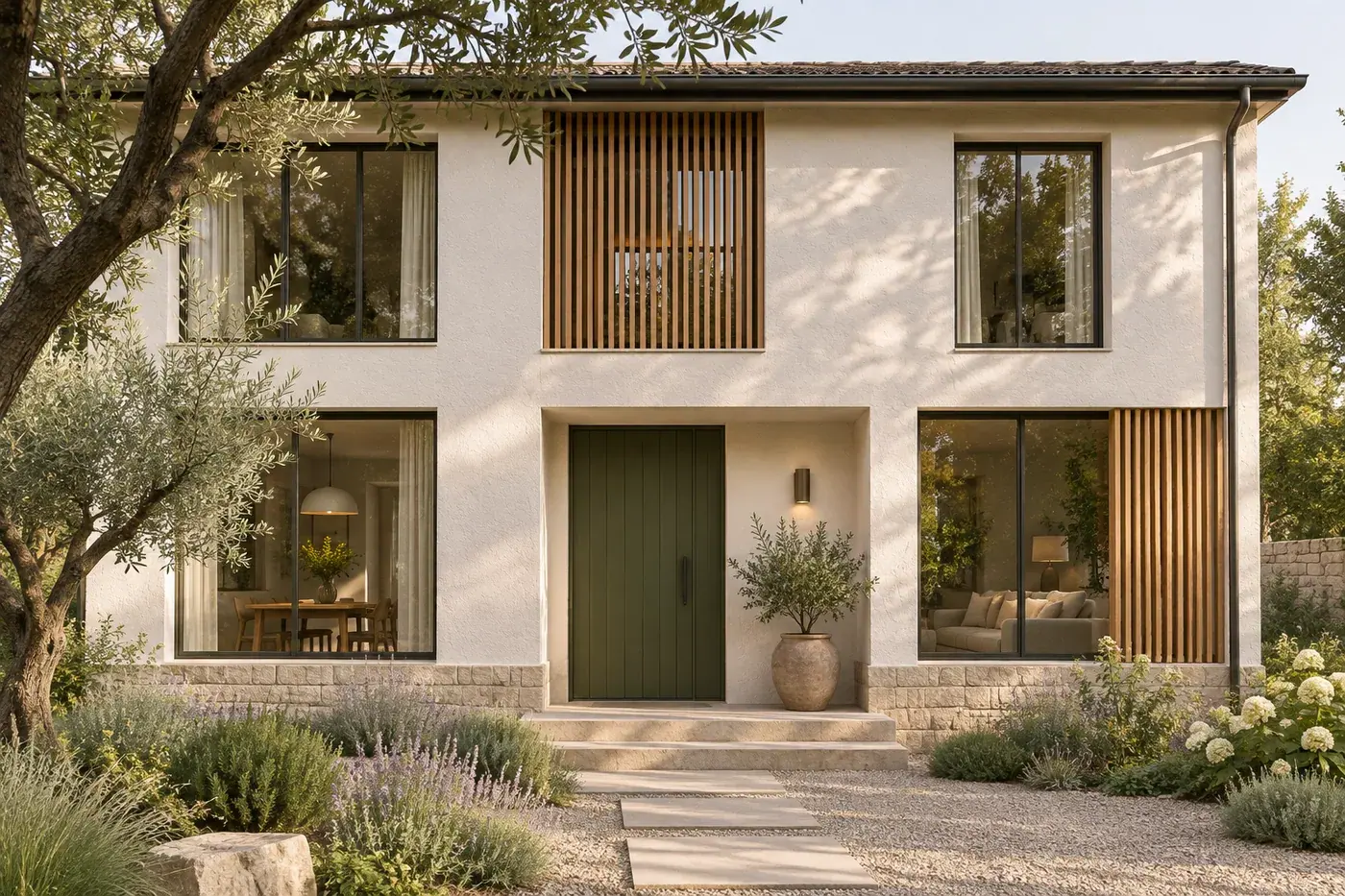
Coordinate the facade, trim and entrance from a house photo.
1–6 / 11
Bring a clear photo, describe your daily needs and read the concept against the space you know.
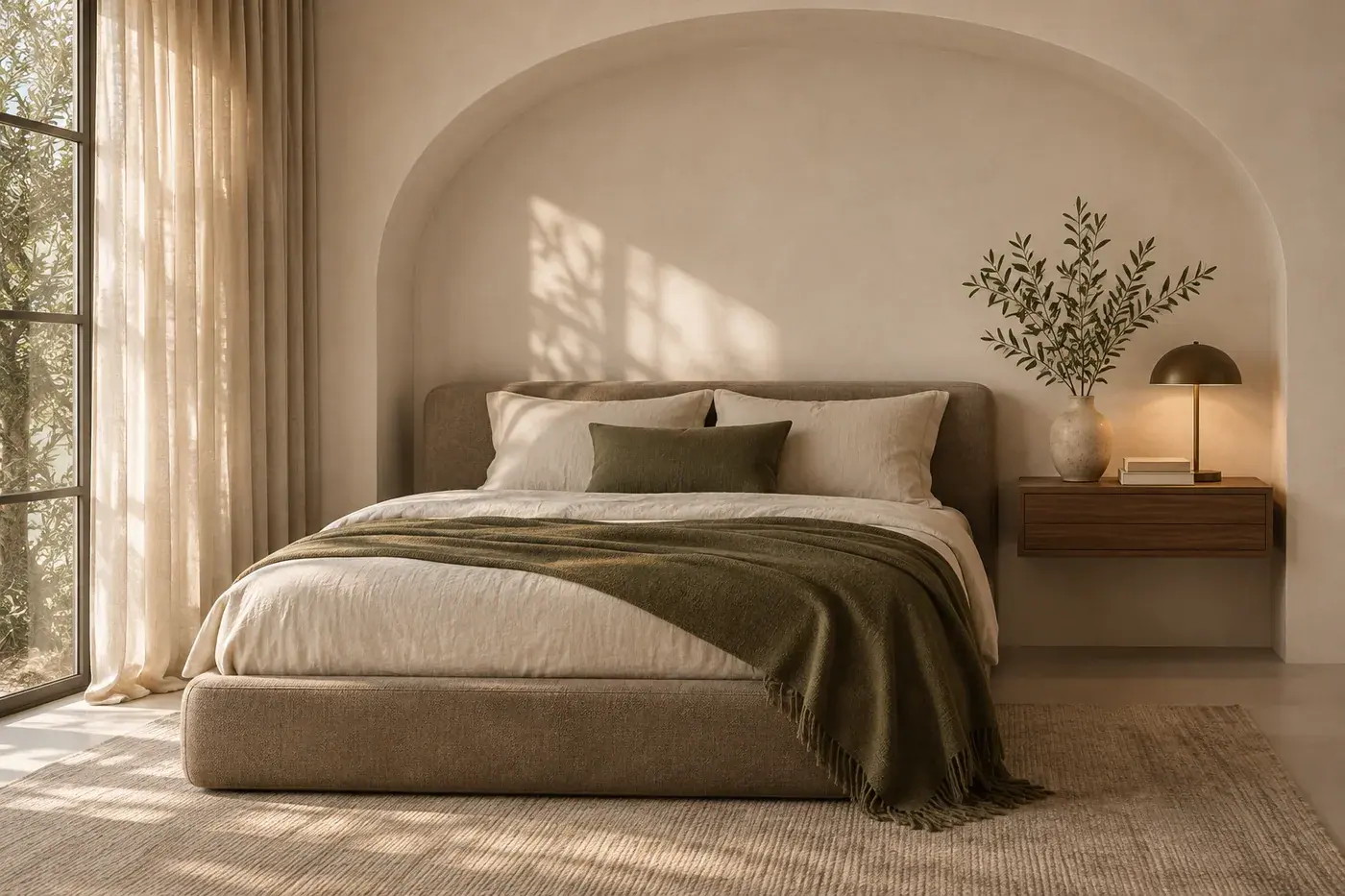
Upload a clear interior photo to explore a new design for your own space.
For example: light oak furniture, linen curtains and a warm neutral palette.
Read the credit estimate, generate a concept and look at the whole room before deciding what to refine.
Read the concept beside your starting photo
Use your own room photo to work through colors, furniture and layout. Turn a loose idea into a visual direction you can discuss before buying.
Your window, your awkward corner, your existing sofa. Use a photo of the room you actually have so each design study has a useful starting point.
Tell the studio which furniture or architectural details you want to retain. Review how the concept interprets those instructions before making your next request.

Work on a complete room first, or use the dedicated soft furnishing, layout and paint tools to focus your next question.
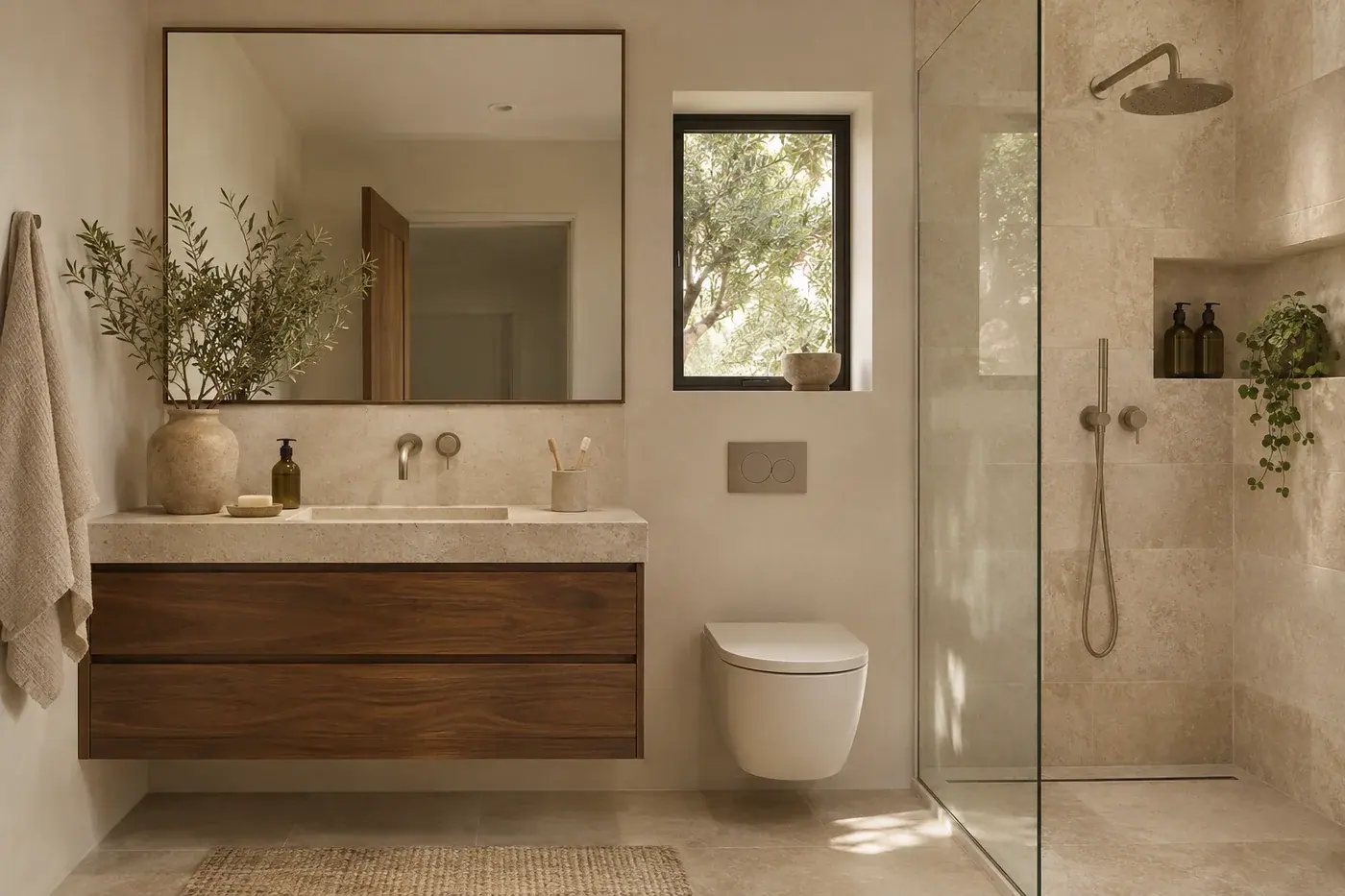
Download a direction you like and show the image beside your original photo. Give a partner or designer a concrete brief to respond to.
Upload a clear interior photo to explore a new design for your own space.
Start with the habits the room needs to support. Use a study to decide what to keep and what deserves a different arrangement.
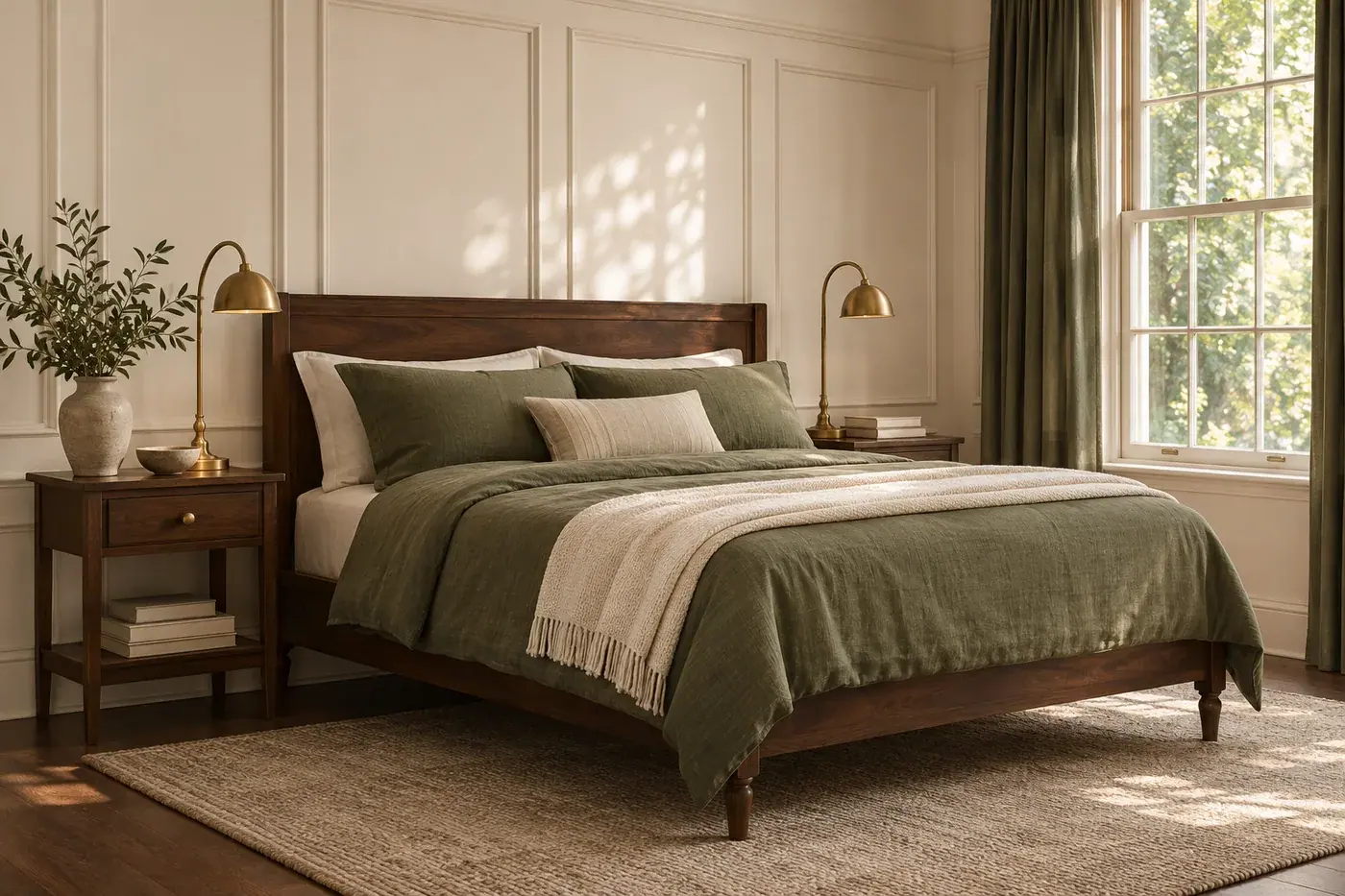
Focus a design brief on movable furniture and soft furnishings. Explore how the room could feel more personal around the pieces you already have.
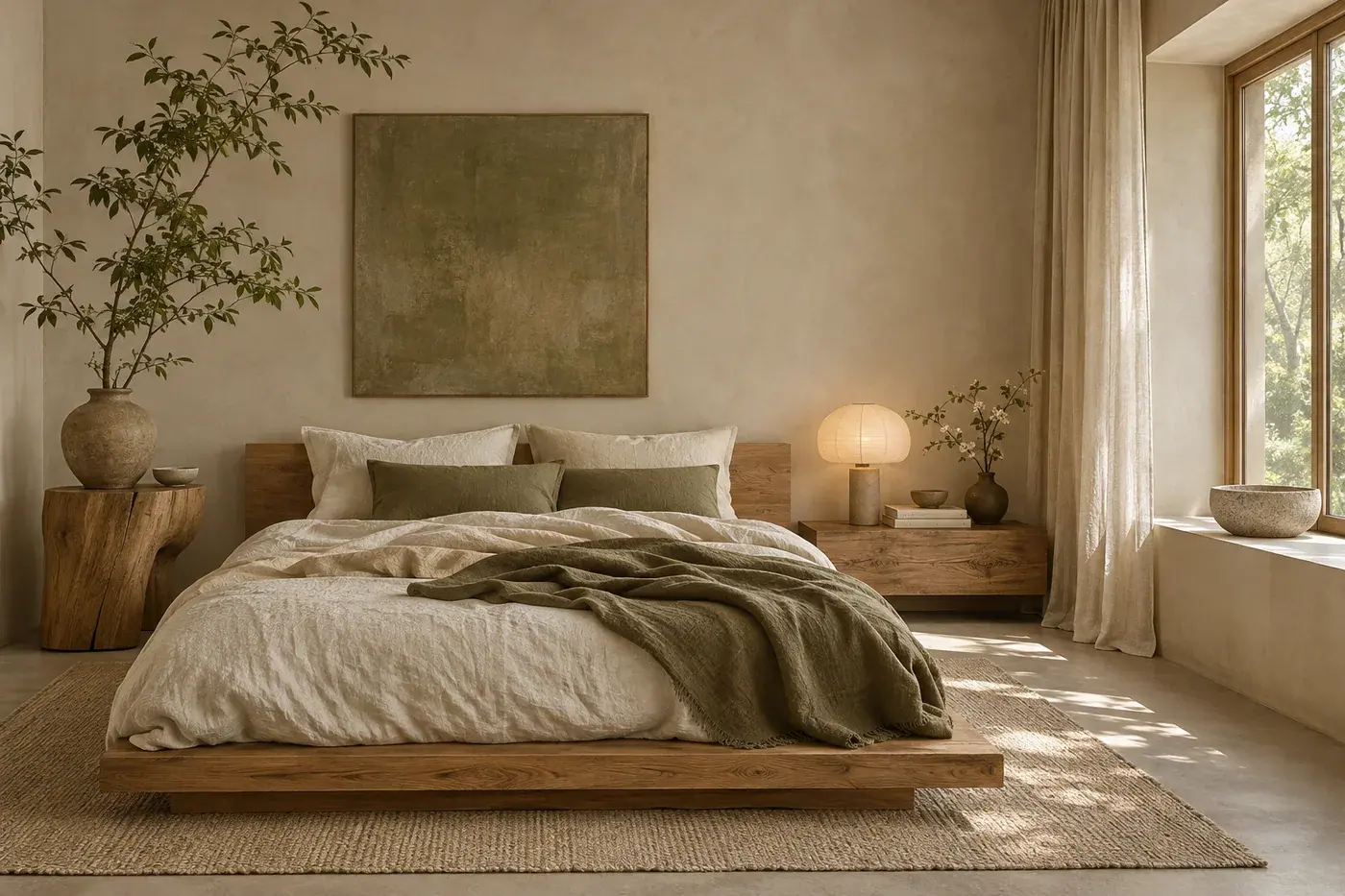
Share the original photo with the concept you prefer. Point out the colors, finishes or arrangement you want to develop in a measured design.
Use a labeled AI concept to explain an empty room’s possible use. Keep its original photograph available so viewers can understand the proposed changes.
Studio studies
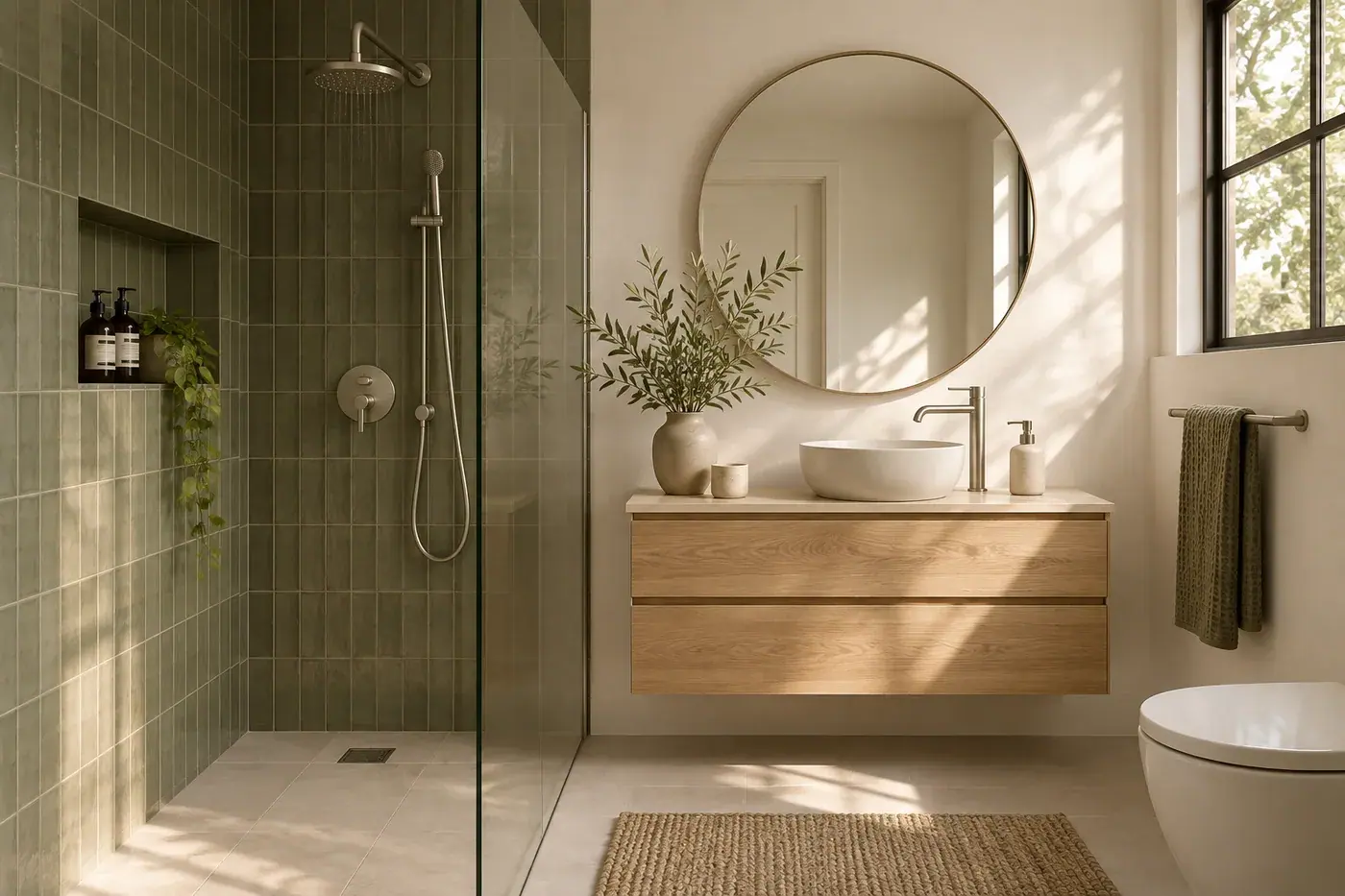
Your window, your awkward corner, your existing sofa. Use a photo of the room you actually have so each design study has a useful starting point.
Choose credits around your next project: one room, a few layout studies or a regular design workflow. Check the billing period and total before choosing a plan.
Loading designs...
For first ideas and a fresh perspective on your space.
Billed monthly · auto-renews
Credits granted each paid month. Manage your subscription in Billing.
For regular redesigns and exploring more possibilities.
Billed monthly · auto-renews
Credits granted each paid month. Manage your subscription in Billing.
For larger projects, multiple rooms and client presentations.
Billed monthly · auto-renews
Credits granted each paid month. Manage your subscription in Billing.
These are visual concepts. Check measurements, structural work and purchasing decisions separately.
Contact supportStart with one photo and one decision, such as making the seating more sociable or finding a quieter color palette. Choose the room type and a style, then describe what should stay. RoomTale shows the credit cost before generation.
Yes. The paint, soft furnishing and furniture layout tools each focus on a different part of the room. Use the same starting photo to keep your comparisons grounded in your space. AI can reinterpret details, so check the result before acting.
Describe the change you want in everyday terms and identify the pieces that should remain. A specific request gives you something concrete to review in the result. For example: light oak furniture, linen curtains and a warm neutral palette.
These are visual concepts. Check measurements, structural work and purchasing decisions separately.
AI generation uses 10 credits per 1K image or 15 per 2K image. Choose 1–4 images; the button shows the total before submission. Credits are reserved when a task is created and returned if that task fails. A new variation is a new paid task.
Generate another study from the same original photo, or use a completed result as the next reference. You can request 1–4 images with the available controls. Read the credit total before each new request.
The workspace shows the task state, and signed-in tasks remain in My Projects. Processing time varies with output settings and the service queue. Check the existing task before submitting the same brief again.
Download the completed image and use it beside your original as a design reference. Signed-in tasks are also available in My Projects. The image does not include editable CAD geometry or an exact shopping list.
Your designs are not automatically published in Explore. Uploaded images and preferences are processed by the generation service, and image files may be accessible through their storage links. Keep those links private and avoid uploading information you do not want processed. For help, use the feedback button or support@roomtale.app.
The uploaded photo is used as a reference, and the generated design is a separate image. The original file on your device stays unchanged. Keep it to compare the design and review any details that the AI may reinterpret.
A room photo and a clear first request are enough to begin. The workspace shows the credit total before you generate.